.webp)
Automatic gates in condominiums: What safety requirements apply to installers?

Why is an automatic gate considered a hazardous piece of equipment?
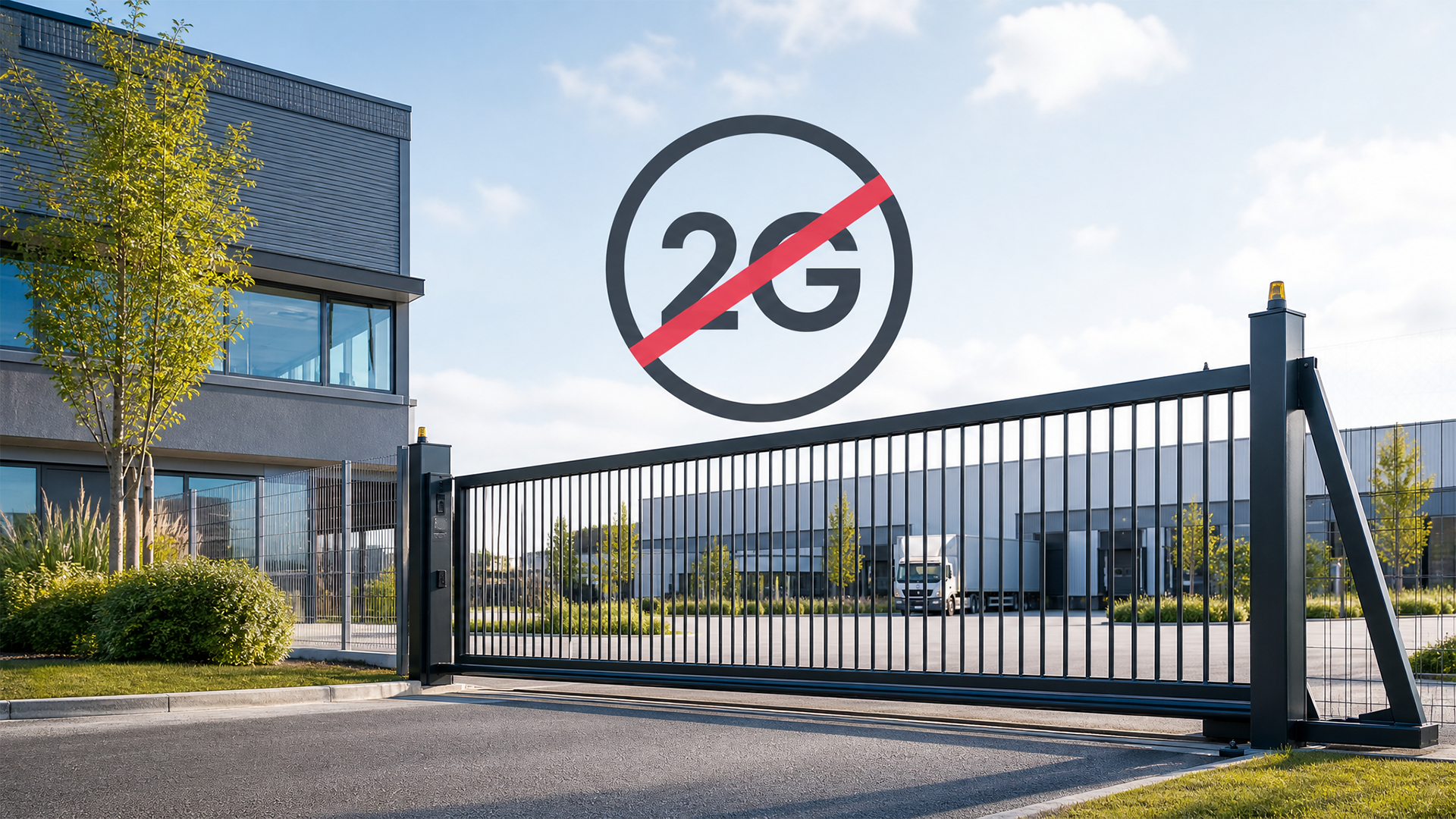
A motorized gate in a condominium complex is used daily by many people: residents, visitors, delivery drivers, service providers, and emergency vehicles.
Unlike a private facility, it operates in a communal environment that is sometimes poorly regulated. This can give rise to a variety of risks:
• crushing when the gate closes
• collision with a vehicle or a pedestrian
• A person or object becoming trapped
• malfunction of the drive system
It is to mitigate these risks that motorized gates must comply with specific safety standards.
________________________________________
Standards for automatic gates
Several European standards govern the installation and use of motorized gates.
Standard EN 13241
This standard applies to industrial, commercial, and residential doors and gates. It establishes general safety and performance requirements for automated systems.
Standard EN 12453
It specifies the safety requirements for the use of motorized gates. In particular, it requires devices to prevent the risk of crushing, shearing, or pinching.
Standard EN 12445
It covers the testing and inspection methods used to verify that the installation meets safety requirements.
For the installer, these standards serve as a guide to ensure that the installation is compliant and safe.
________________________________________
Essential safety devices
To meet these requirements, several pieces of equipment must generally be incorporated into the system.
Photoelectric sensors:
Positioned on either side of the gate, they detect the passage of an obstacle or a person. If the beam is interrupted, the gate stops immediately.
Safety edges:
These detect contact with an obstacle while the gate is moving and stop the closing process.
The flashing light:
It visually indicates the gate's movement and alerts nearby users.
Area lighting:
In many communal settings, a spotlight or area light mounted on the gate or nearby illuminates the passageway when the gate opens or closes.
This lighting improves visibility for users, reduces the risk of accidents, and helps ensure safe access to parking lots and residential areas, especially at night.
Obstacle detection:
Modern systems are capable of detecting abnormal resistance during closing and reversing the gate’s movement.
These measures are essential for reducing the risk of accidents in high-traffic areas.
________________________________________
The Role of Access Control in Condominiums
Beyond automation, access control has become a key element in securing apartment buildings.
Access control solutions allow you to grant or deny entry to specific individuals or vehicles using technologies such as access cards, keypad locks, or radio-frequency remote controls.
👉 Explore access control solutions:
https://www.prastel.com/notre-gamme/controle-dacces
These systems are designed to control access to various types of entry points: gates, garage doors, or pedestrian entrances.
________________________________________
Radio technologies at the heart of modern automation systems
In most installations, the gate is opened using a remote control or a radio-controlled device.
A radio receiver installed in the automatic gate system receives the signal sent by the user and triggers the opening or closing of the gate.
👉 Learn more about installing a radio receiver:
https://www.prastel.com/actualites/comment-installer-un-recepteur-radio-pour-portail
Specialized manufacturers now offer complete lines of radio equipment (receivers, transmitters, antennas) designed for controlling gates, industrial doors, and roll-up doors.
👉 Explore the Prastel radio lineup:
https://www.prastel.com/notre-gamme/radio
________________________________________
Connected solutions for access management
Technologies are also evolving toward more connected solutions.
For example, some receivers now support remote access management and maintenance via mobile networks, making it easier to manage installations in residential buildings or commercial facilities.
👉 Learn more about the Prastel 4G receiver:
https://www.prastel.com/produit/mre-4g
These systems offer several benefits for installers and site managers:
• real-time user management
• remote maintenance and diagnostics
• Data security and storage
• simplified access management
________________________________________
Maintenance: A Requirement for Community Gates
In a condominium, an automatic gate is considered a motorized common-area facility. As such, it must be regularly maintained.
Regulations generally require at least two maintenance inspections per year to verify:
• the proper functioning of the motor
• safety devices (photocells, safety edges, obstacle detection)
• access control and monitoring systems
• mechanical fasteners and guide components
This maintenance ensures user safety and prevents malfunctions that could lead to accidents or cause the gate to malfunction.
For installers and site managers, offering a regular maintenance contract is therefore a best practice for ensuring the longevity and compliance of the installations.
________________________________________
The installer's responsibility
In a shared installation, the installer plays a key role. The installer may be held liable in the event of a problem if the installation:
• does not comply with current standards
• does not include the necessary safety features
• was not properly checked during commissioning
The installer must therefore:
• verify that the installation complies with regulations
• Choose equipment that is suitable for the environment
• Test the safety features before putting the equipment into service
• inform the customer about necessary maintenance
A well-designed and properly secured installation not only helps prevent incidents but also ensures the system’s longevity.
________________________________________
✅ Conclusion
Installing an automatic gate in a condominium involves more than just installing a motor. It is a shared facility that must meet strict safety requirements.
For installers, complying with standards, incorporating appropriate safety features, and performing regular maintenance are essential to ensuring a reliable, durable, and compliant installation.
In an environment where security requirements are constantly changing, relying on professional, proven solutions remains the best way to ensure the security of shared access points.
Prastel latest news
Discover the latest blog posts on automation and safety.

DISCOVER OUR LATEST CATALOG
